
Trip Deposits

Reserve Your Spot Now


Other Amount:


Your Email Address :


An Update From Brenda

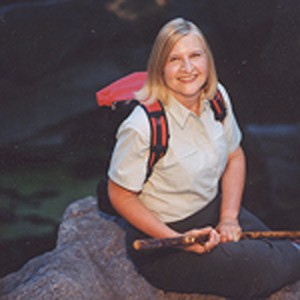
brenda_elwellThe past few months has been a whirlwind of travel – my first trip to the Brazilian Amazon and an area called Recife, in the far northeast of Brazil, plus an inspection trip to Peru (my third trip to Machu Picchu and my first to the Peruvian side of Lake Titicaca, where I visited the floating islands, an incredible adventure/cultural experience.  In between I squeezed in some vacation time hiking the magnificent Kings Canyon/Sequoia National Park in Southern California.  Let’s dip into the culture and history behind these adventure destinations…… Continue reading “An Update From Brenda” »

Schooners And Sunsets

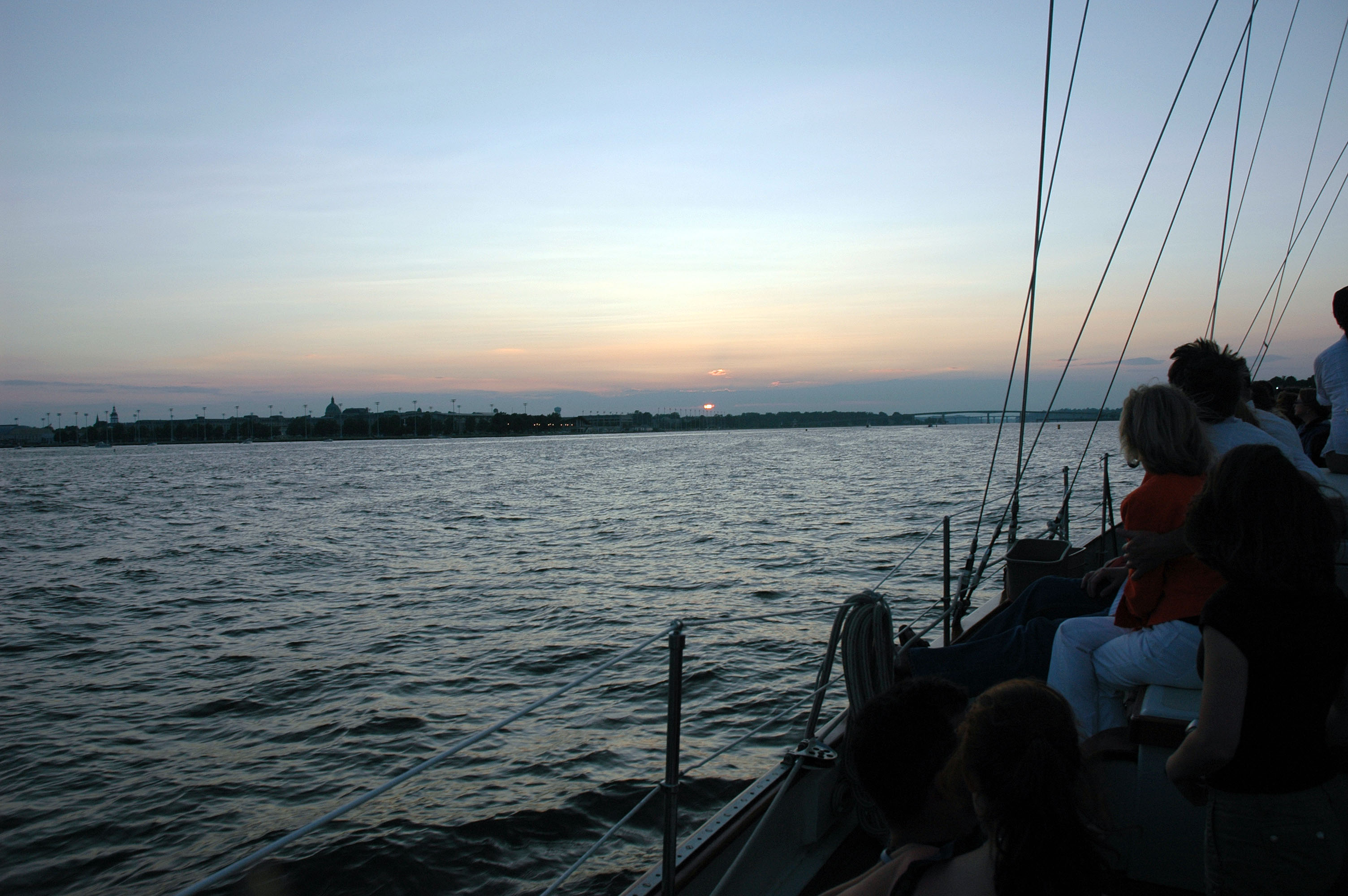
Yesterday, we had the chance to take a sunset sail on the Schooner Woodwind II along side her sister, Woodwind. As many of you know, the Woodwind was featured in the hit movie Wedding Crashers.

Nothing beats a sunset sail operated by Schooner Woodwind Cruises.  The cruises include a snack and a soft drink and beer, wine and champagne are available for purchase.  We highly recommend this unique way to see the Bay.

Enjoy some of the photos shot last night and stay tuned for a video in the next few days!

Brenda & The Grand Canyon

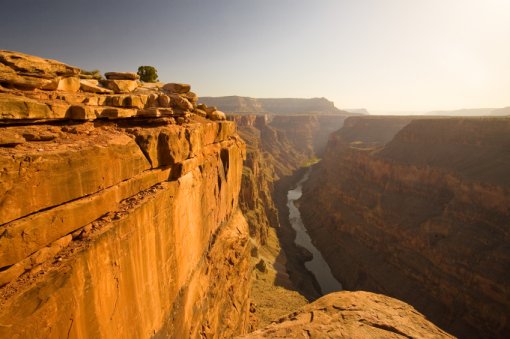
grand-canyon1It is that time of year again to start thinking about national park vacations and day trips into state parks.   Last Thanksgiving I spent several days at the South Rim of the Grand Canyon (my 3rd trip to the big canyon) and currently am taking a 4 session evening weather class at Denver University.    Although these two items seem unrelated, it immediately prompts me to think about taking precautions to avoid weather-related disasters when vacationing in national parks.  National and state parks seem such peaceful benign places, but they do have rough unknown terrain and unexpected dangers.  The obvious warnings about keeping a safe distance from wild animals are heeded by the vast majority of tourists.  But weather related warnings are not always posted in the parks.

Do you know the leading cause of death in national parks?  Most people would say bear attacks or a fall from a great height.  It is drowning.   Surprised?  I was.  There are many lakes in national and state parks. The rocky or sandy shores offer a chance for swimming but lifeguards are not present.  Parents get preoccupied and lose sight of their child, sometimes resulting in a drowning.  More common is drowning while out on a boat. Often these lakes are huge, such as Yellowstone Lake. Your trip can start out in calm water and suddenly the wind picks up, you are far from shore, and the rough waves, now several feet high, capsize your boat. Sometimes  tourists do not wear lifejackets and cannot make it to shore.

Floods are another common cause of disaster.  Heed the signs and do not enter enclosed areas or arroyos (dry river beds) when skies are dark with rain clouds.  If water enters your car, and you cannot  back up, leave your car immediately. A car can be swept up in only 2 feet of water.      Lightning can occur without warning. If you are on a mountain summit or hill top, get down from the rim immediately, if you see rainclouds or hear thunder. Do not take shelter under a tree.   If you are in the path of a tornado  and cannot get to a tornado shelter or to a safe area (basement) then abandon your car and lie flat in the nearest ditch  (usually on the side of the road).

If you have never been to a national park, please do not let these warnings scare you off. I have been traveling to national parks for 40 years with my kids, and by myself, and these grand-canyon2are wondrous places full of unexcelled beauty and delight.
grand-canyon2

Grand Canyon National Park

My two previous trips to the big daddy of canyons had been in the summer so it was an interesting contrast to visit the area in November and view the Grand Canyon with a dusting of snow.   You definitely have to layer your clothing. We hiked down for about 90 minutes on a sunny cold clear day.  The first 10 minutes of the Bright Angel Trail was muddy and a bit slippery, discouraging some potential hikers, but soon it was dry solid ground as the temperature warmed up – only 10 minutes into our hike.    Remember one hour hiking down can mean two hours hiking up!  The scenery and geology change with every twist and turn of the trail and the babble of foreign languages is nothing short of astounding.

This time we stayed at the Yavapai Lodge, a short distance from the South Rim. In previous visits we had stayed at Bright Angel Lodge (on the South Rim) and Grand Canyon Lodge (on the North Rim).   The rim activity has built up tremendously in the 20 years since my first visit to the canyon.   But the canyon itself is still a wonder, and once you start hiking down, you often have moments of complete solitude and silence and when you do encounter fellow hikers, it is a great chance to make new friends.   Any place near or on the rim is a good place to stay. Your budget and the time that you book your hotel will determine your selection.   Summer reservations should be made a year in advance for a full selection of dates and hotels.  No matter where you stay, you should take a walk through the Bright Angel Lodge and visit the mini museum adjacent to the lobby.   If your budget can take it, plan on having a dinner at the deluxe rustic El Tovar Lodge. It is a special treat, albeit an expensive one.  You will need to make advance reservations.  We had Thanksgiving dinner in their beautiful dining room and enjoyed the warm and cozy ambiance as much as the excellent meal.   After that it was budget breakfast and lunch!

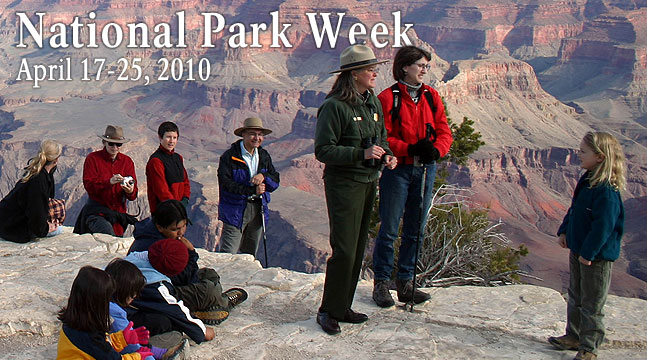
I know I am repeating myself but when you are in a national park, make it a point to join in on at least one ranger guided hike or lecture.   This time we chose a one hour lecture at the rim about the local condor population.  We were not lucky enough to spot one during the lecture, but we became educated about how to scour the skies for them.   Their distinctive huge wingspans make them unique among  birds.

Since we now live in Denver, we chose to drive to the Grand Canyon, about 12 hours each way, a pleasant two day drive with sightseeing along the way.  We stopped at Winslow Crater (Winslow, Arizona) and the nearby Painted Desert/Petrified Forest National Park.   The latter requires about 2 hours and offers some interesting short hikes.   The entrance and exit for the Painted Desert NP are different and a bit tricky, so consult your map before approaching the area.  Another interesting attraction near Interstate I40 is El Malpais National Monument, Geronimo’s former hide out. Once you see the place, you will know why.  The terrain is easy to get lost in, and eerily beautiful.   After an overnight stop in the Albuquerque area, we spent the morning in the Old Town of Albuquerque. This is a scaled down, less expensive version of the old section of Santa Fe and certainly worth a few hour’s visit. An absolute “must-do” is the Church Street Café located behind the church on a tiny street.   The ambiance and the food made it one of the best breakfasts I have ever had.   The restaurant is located in a beautiful hacienda, authentically decorated, with a wonderful menu selection – a great value for breakfast or lunch with lots of things to keep kids occupied.

SPT trip to Guatemala – July 18-25, 2009

Don’t forget our upcoming trip to Central America specially created for our SPT families. For information on the itinerary and the pricing, contact me at Brenda@maximtours.com

In my next installment I will write about my recent December trip to Brazil – Recife and the Brazilian Amazon and also my upcoming trip to Peru.  I leave for Lima April 17 for a one week inspection trip of Cusco, Machu Picchu and the Peruvian side of Lake Titicaca.   Until then -  ¡Buen Viaje!

Colorado Gold Mines

Dear Readers,
I hope you all had a wonderful holiday and a Happy New Year. Much of 2008 was spent exploring  my new home state of Colorado.  In this two part newsletter I will share with you some of the exciting and offbeat family attractions this beautiful state has to offer, along with a report on our Thanksgiving trip to the Grand Canyon,  and my December trip to Brazil.  For those of you who subscribe to “Parents Magazine” published by Scholastic Inc., be on the look out for an article I wrote about Travel Tips. It should appear in a forthcoming edition.

Lastly,  we have dates and space blocked for an extraordinary SPT trip to Guatemala, July 18-25, 2009.  The trip will include the colonial city of Antigua , the Mayan market of Chichicastenango,  the stunningly beautiful Lake Atitlan area, and mystical Tikal National Park.  We have even  arranged for a special community day project where our SPT families can assist the locals in planting trees and beautifying the environment around Antigua, sure to be a memorable cultural event! For details and pricing on the Guatemala trip, please contact Brenda directly at Brenda@maximtours.com

As summer approaches, some of you may be considering a trip out West by air or car. If so, here are a few destination suggestions to consider within the state of Colorado:

Durango
Tucked away in the southwest corner of the state, this western style tourist town , is the jumping off point for Mesa Verde National Park.   We spent the 4th of July weekend here and thoroughly enjoyed the holiday parade – a mixture of clowns, horses, cowboys and cowgirls, history, and music.    We were sitting front row curbside, when a young parade horse bolted and nearly carried away its carriage, riders and all, before the cowboys grabbed him and settled him down.     The shops and restaurants can be expensive but , with a little searching, you can find some good restaurant values with dinner steak specials and hearty diner breakfasts.   Just at the edge of town is a string of chain motels offering reasonable rates, even during high season.  We tried an interesting Himalayan Restaurant for dinner and snacked on street food for lunch.

Mesa Verde National Park
About a one hour scenic drive from Durango is the fabulous Mesa Verde National Park.   The drive alone into the park is spectacular as it winds through various canyons.  As soon as you arrive, go directly to the ranger station and sign up for one or two ranged guided hikes to the mesas.  These excursions sell out quickly and you cannot visit the mesas without a guide.  Each excursion is different, so squeeze in what you can. You will need hiking boots or sturdy shoes to protect your feet from dirt and stones.  Bring water and protect yourself from the sun, no matter what the season.   The mesa excursions are awesome and  the guides outstanding. You can cover the highlights of this park in a full day, but you must get an early start.

Sand Dunes National Park

Located in the barren southeastern corner  of Colorado, is a unique phenomen of high rise sand dunes ringed by mountains in the middle of nowhere – literally.  Created by the winds, this eerie landscape is one of great beauty and majesty and should  be experienced at sunrise. You will need at least one overnight to do this and there is only one place to stay in the immediate area – the Oasis Motel which is a complex of motel/supply store/ and restaurant.  The motel rooms offer a backyard patio with a smashing view of the Sand Dunes plus backyard BBQ if you are so inclined.   We tried their indoor pool which was a beautiful tiled pool.  We did 2 hikes, a late afternoon plus a pre-dawn. Dress in layers as the temperature rises quickly once the sun comes up.  Anyone can hike the dunes but you need to be in good shape to make it all the way to the top of one of the high rise dunes.  Hiking up sand is no easy matter and distances are very deceptive. Bring plenty of water,  sunscreen, and a hat.

La Junta

About 45 minutes east of Pueblo,  out on the southeast plains,  is a quiet little town that is the centerpoint  for experiencing life on the plains.  Certainly not as exciting or as beautiful as other parts of Colorado, this area, nonetheless, played its part in Colorado history.   We spent an overnight here in on a lovely cold sunny weekend.  We drove past miles of feeding stations for cattle, the “cattle basket” of Colorado and drove alongside a series of trains , 100 cars long, carrying goods and supplies across the state.    We dined with the locals in diners and restaurants where everyone knew everyone and greeted us with friendly smiles.  We hiked the Comanche Grasslands, a vast area that truly gives you the feeling of the wide open spaces of the West.

Our favorite excursion was Bent’s  Fort, just outside of town and smack in the middle of the plains.  I have visited dozens of forts in my lifetime, all over the world, and this was one of my favorites.  The very second I stepped through the portal, I felt like I had stepped back into history.   The fort is a recreation of what life was like back in the 1800’s.  The rooms are furnished as they were, re-enactors go about their daily business, and you are free to roam through every room on your own, if you wish.   This fort was created to be an international  trading post and, on any given day, as many as 6 to 8 languages would be spoken – English, Spanish, French plus 3 or 4 Native American languages.  People traded and ate and slept together in harmony.   Perhaps that is why the “vibes” were so good.  It all ended at the time of Mexican-American War,  as the fort was located on the north side of the Platte River and what was then Mexican Territory was located on the South Side.

Colorado Springs
Heading north we visit the second largest city in Colorado – Colorado Springs, known as “the Springs” to the locals.  Two major attractions of the town include the Garden of the Gods hike and the Air Force Academy (more about those in a future newsletter).  A lesser known attraction for families is a great little zoo called the Cheyenne Zoo. Located on a mountainside, it offers an array of animals indigenous to Colorado, at play in their natural habit. Many of the animals were orphans or previously sick or injured, such as the mountain lions.    After exiting the zoo, you will pass right by the deluxe and very historic  Broadmoor Hotel and Resort.  Be sure to stop for a snack or a drink at one of their lounges overlooking a man made lake and the mountains.  We visited there in the fall and enjoyed a delicious apple cider on a chilly afternoon.

Leadville

Two hours scenic drive from Denver , up into the mountains, sits a town at 10,000 feet that was  once a thriving silver mining center.  With an early start you can cover the highlights in a day or you can spend an overnight.  Be sure to visit the mining museum, the jail, and stroll the historic downtown district.   Not to be missed is a tour of the Tabor Opera House. Preserved in its original state, it gives you a glimpse of what culture was like in the heart of a rough and tough mining town in the 1800’s.  Some of opera’s greats appeared on stage here, despite the difficult logistics of getting here.  Another major and very interesting attraction is Baby Doe Tabor’s cabin , next to the Matchless Mine, where she spent her last few years and eventually died, frozen solid in her cabin.  This renowned beauty’s story is one of Rags to Fabulous Riches to Rags again.

Cripple Creek
Another mining town, also a 2 hours scenic drive from Denver, is  known for its many gold mines.    The major attraction is the Mollie Kathleen Gold Mine where you descend several thousand feet down an authentic mine shaft, accompanied by a retired miner.  This is one of the best mine tours I ever experienced. The guide walks you through an authentic labyrinth of mining stations and actually operates some of the noisy equipment. You get  a true feel of the darkness and danger that these miners endured in an attempt to eke out a living in the Wild West.

In the next part of this newsletter I will talk about the Grand Canyon and my trip to Brazil.  ¡Hasta luego!

Global Brenda

Five Fun Family Fall Day Trips

Ok this has now become MORE than five fall family day trip, but we really liked the alliteration! Check out your local newspapers for more ideas in your area and write to us with ideas!

#1 – Corn Mazes
My kids and I have been doing these for years. Each of us brings along a few friends, thus adding to the excitement. For corn maze novices, a commercial corn maze takes about an hour to navigate. Large crowds can divide into teams and, if you get lost, there is usually a helper or two located on a high deck above the maze. Admission fees run about $5 and up. Group rates are often available. Oh, and yes, there are outdoor spot-a-pots as well. Bring water and a camera into the maze. You will need both. To get you started here are some informative Web sites with corn maze locations throughout the U.S. as well as a few in Canada. http://cornmazes.com/ http://www.cornfieldmaze.com/ http://www.roanokecornmaze.com/ (Indiana only)

#2 – Apple Picking & Farm Festivals
Picking apples every fall is a family tradition with us. It’s fun, it’s a healthy food, and apples picked fresh from the tree stay crisp for 2-3 weeks if refrigerated. Remember to bring your camera; apple orchards are very photogenic places. Check your local newspaper for pick-your-own apple orchards or do a Web search. Try www.google.com or other search engines. Some helpful search phrases are: “apple picking New York” or “apple picking Hudson valley. I can personally recommend two orchards in New Jersey that have excellent Web sites: http://www.johnsonsfarm.com/pages/groupfarmtours.html (South Jersey) http://www.terhuneorchards.com/ (Central Jersey)
I also recommend Conti Farms in South Jersey but I could not find a Web site for them.

#3-Amusement Parks
The crowds have gone, the waiting lines are short or non-existent, and often, the prices are reduced for the fall. If you live near a major theme park or even a small “down home” amusement park, this is a fine time to be a kid for a day with your children. Some Six Flags parks offer both an animal park and an amusement park, making a great combination fun day.

International Association of Amusement Parks http://www.iaapa.org/

http://users.stargate.net/~rollocst/amuse.html

http://www.SixFlags.com

http://themeparks.about.com/

#4- Renaissance Fairs
Although all the suggestions mentioned in this newsletter are great for kids of all ages, Renaissance Fairs are particularly fun for teen-agers. They are all day events and include activities such as brief presentations from a Shakespeare play and medieval jousting contests (employees only). The “actors” stroll about in period costume, frequently including passer-bys in their raucous activities. You can try your skill at the medieval slingshot or crossbow. Admission discounts are often awarded to those who arrive in costume. For a worldwide listing of Renaissance Fairs check out this Web site: http://www.faires.com

#5 Paintball

Paintball is the world’s fastest growing outdoor participation sport and autumn is a great time to play it. Paintball is a combination of childhood “hide and seek” and “tag,” but more sophisticated and challenging. Men and women are on equal footing as it is more a game of brains than brawn. To find your local paintball center, do a Web search with the word “paintball” and your home state or hometown. To learn more about the sport, visit this informative Web site: http://www.paintballdepot.com/

#6 Visit a Local Business

Why not get a small group of family-oriented friends together and visit a local business on a weekend? Businesses are often open on a Saturday morning. Call the local manager and arrange for a tour while they are open or just after they close. Examples are a local regional airport, a shipyard or a manufacturing or processing plant. For little kids it could be as simple as a trip to your local Home Depot. Think of all the things you could learn with a private tour!

#7 Animal Parks

The fall is a wonderful time to visit zoos and animal parks. The summer heat is gone and the animals are more active. What better place for an outing with your kids? Here are a couple of Web sites:

* http://w3.gorge.net/cannon/zoo.html http://family.go.com/travel/activities/feature/famf0700best/famf0700be st.html
And for our readers in the UK: http://www.uksafari.com/animalparks/

* Out of Africa – Located in Fountain Hills, Arizona, just outside of Phoenix, this “big cat” park is unique in the world. Check out this Web site for more information: http://www.desertusa.com/mag00/oct/stories/out.html
* Hawk Mountain Sanctuary – Located in Kempton, Pa, outside of Philadelphia, this is the world’s first and currently the leading research center for hawks, eagles and falcons. Visit the Web site at: www.hawkmountain.org.
* Six Flags Great Adventure – Located in Jackson, NJ, this amusement park offers one of the best animal viewing parks in the nation. Visit: http://www.sixflags.com/parks/wildsafari/home.asp
* San Diego Wild Animal Park – Located in sunny California, this fabulous animal park has an excellent Web site: http://www.sandiegozoo.org

#8 Haunted Halloween Hayrides and Houses

It is that time of year again! Toasted marshmallows, funny costumes, lots of laughs and screams too. My daughter loves doing this every year. We found a few Web sites that can help you find a hayride or haunted house near you. http://HauntedHouse.com Listings in US & Canada
http://ScreamSeekers.com Listings in the US

#9 Pumpkin Chuckin’

Featured on the Discovery Channel, the great Pumpkin Chunkin Competition is held in Sussex County, Delaware each November and attracts over 50 teams and 30,000 spectators. The event has become so popular it is now second only to the NASCAR race, held in nearby Dover Downs. This year’s event will be held October 31 through November 2.

The competition is fairly simple: fire a pumpkin with a minimum weight of 8 pounds the furthest distance possible. Any contraption can be used to fire the pumpkin as long as it does not use explosives, and the pumpkin must be intact when it crosses the finish line. Some of the firing contraptions have to be seen to be believed. For further information check out the official Web site: www.punkinchunkin.com.

FOR MORE INFORMATION: Contact Single Parent Travel at 888-2-SPT-KIDS. Visit their website at www.singleparenttravel.net or send an e-mail to John Frenaye, Chief Single Dad!

Easing the Single Parent Travel Burden (part I)

This article discusses additional ways to hand over travel responsibilities to your kid(s) so that you, the single parent, do not have to carry the entire “responsibility burden.” In a previous article, I discussed ways for your older kids, age nine or ten and above, to become skillful map readers and navigators, freeing you to focus on your driving or just enjoy the sights as you stroll around town. What about the younger children, age eight or nine and younger? What can they do to ease your single parent travel burden and made them feel they hold a responsible part in the success of the trip? Here are a few ideas:

LOCATE THE SAFETY EXITS
From the time my son was four years old I made him responsible for locating exit doors on planes and in hotels and theatres. I explained the importance of his job and he took it to heart. Every time we checked into a hotel, he would always remember to look down the hallway and count the number of doors to the fire exit. Although we have never experienced a hotel fire, it is nice to know that I have one less thing to worry about when I check in. Kids, less encumbered with responsibilities, are more likely to focus on a single task.

LEARN THE NAME OF THE HOTEL
My first major trip traveling as a single adult with my two kids was to the Knoxville World’s Fair. My kids were then four and eleven years old. Fearful of separation in a large, crowded area, I made sure both my children knew the name of our hotel and had them repeat it back to me every so often. We witnessed one six-year-old child get lost, a memorable object lesson for my young son. Thereafter, whenever we traveled, without being prompted, my son memorized the hotel name as soon as we checked in. If you are traveling in a foreign country, have your child carry with him the cover from a set of matches. (Don’t give your child the matches; that’s inviting disaster).

Big kids benefit from this object lesson too. While I was working for a major European student tour company, our headquarters in Philadelphia received a phone call from the Pan American Airways office in downtown Rome. It seemed a high school student from one of our groups to Italy had wandered off by himself on a free afternoon, gotten lost in the city, and didn’t know the name of his hotel. He did remember that he had flown on Pan American so he walked into their office and explained his problem. After checking his flight information, the airlines were able to verify his group information and called our office in the U. S. to get the name of his hotel. Although the student rated a poor grade in the memory department, he certainly deserved an “A” for ingenuity.

COUNTING LUGGAGE
Little ones can be responsible for counting luggage every time you make a move – arrival at your destination via airplane, checking out of the hotel, leaving a train or bus. The first couple of years my little son bordered on becoming “Mr. Annoying,” as we had to stop cold in our tracks while he did a formal luggage count (usually a total of three bags and two small backpacks). But it made him and his older sister acutely aware of the importance of not leaving things behind.

FINAL ROOM OR COMPARTMENT SEARCH.
When you feel your child is ready, let him or her be responsible for the final room search before you check out of the hotel or leave the train. Kids are good at this. Once they are shown how to properly search a room for items that are left behind (under beds, in drawers and closets, behind the shower curtain) you can count on them to do a suitable search and relieve you of that burden. Of course, until they are tall enough, you will have to check the shelves in the closet!

As the years went by and my son reached his pre-teens and later his teens, he automatically took on more responsibility for the luggage and I was happy to be relieved of this burden as well. When we did curbside check-in at airports, he would stay outside with the luggage until the porter actually picked it up and took it inside, so I didn’t have to worry about curbside theft. When we traveled on buses throughout third world countries he would watch the porters load the luggage on top or inside, making certain the luggage was tied and secured properly. At times he even got up on top of the bus and helped the young men, making friends along the way. I am sure his efforts saved us from some lost or damaged luggage.

Only once did I challenge my son’s “Baggage Master” authority and then it was to my regret. We were in Bolivia and had just disembarked from a hydrofoil which had transported us from Isla del Sol to another interesting hotel on the banks of Lake Titicaca. Unable to book the hotels separately, we had signed up for a four night package that included the transfers, porterage and a guide, along with the two hotels. As my son prepared to remove the luggage from the hydrofoil so we could take it to our room, the guide stopped us and said, “No, the porters will remove the luggage and bring it to your room.” Conscious of his duty, my son then positioned himself to watch the porters do their job. The guide came over to me and insisted we go and enjoy ourselves in the hotel and that our actions made him lose face and look like he wasn’t doing his job. When I told this to my son, he was thought it was a bad idea. Torn between offending my son and committing a cultural faux pas, I chose the former. I asked Greg to back off and then walked over to the guide and told him I held him personally responsible for our luggage.

About twenty minutes later my son came running up the stairs to our hotel room, yelling that our luggage was on its way to Quito. As requested Greg had left the hydrofoil dock but shortly thereafter only to see half our bags being carted away in a big red pick up truck. The two of us, with smoke coming out of our ears, stormed into the hotel lobby, to find our guide. He was shocked and apologetic and did address the problem immediately. Our lost luggage arrived back at our hotel and was delivered to our room about 3:00am that night. After that the guide never questioned my son when Greg stood watch over our luggage and I resolved to do the same.

FOR MORE INFORMATION: Contact Single Parent Travel at 888-2-SPT-KIDS. Visit their website at www.singleparenttravel.net or send an e-mail to John Frenaye, Chief Single Dad!

Air Travel with Kids and Pets – 17 Tips to Keep Your Sanity

Air travel is challenging under the best of circumstances, but when you add children and/or pets, things can get downright hairy. Not to mention smelly, messy, and noisy! While I do not make a habit of traveling with my dog or cat, I have, but I have a lot of experience with my kids—who can be equally as smelly, messy and noisy. So how do I do it? Actually it is pretty simple

  1. Be Well Rested. Get enough sleep the night before. If you’re like me and time always slips away from you, set your target bed time for an hour earlier than the actual time you want to get to sleep. Save the paper or National Enquirer for the plane, train or next night.
  2. Go Slow. This will be repeated—often. But this piece of advice is something that cannot be emphasized enough.
  3. Be Early. Allow plenty of time for unexpected mishaps. Leave your house early. Plan to arrive at the airport early. What’s the worst that can happen? You arrive with a lot of time to spare. That’s ok. That will allow you to take things slow.
  4. Enjoy the Day. If you are early, you may even have more time to enjoy the day.Treat your trip as a fun adventure, not a stressful event. You are on a vacations–all parts of the day are experiences to be enjoyed. Drink it all in. Look at the day with a child’s sense of wonder. If you follow the first steps, this should be easy.
  5. Use Curbside Check-In. Check as much of your luggage as you can with the Skycaps—make sure the right destination tag is on the bags. Make sure you have the essentials and the distractions in your carry on bags. Don’t worry about waiting for luggage on the other end. Trust me, when you have kids to deal with on a plane, the last thing you want is excess luggage. And don’t forget the skycap tip. $1 per bag!
  6. The stroller or baggage cart. These things are wonderful. If you have a stroller, load up the kids and some of your carry-on bags and you are set. When you board a plane, leave it at the gate and they will check it for you and it will be waiting for you when you get to your destination. If you are not traveling with a stroller, rent one of those “Smart Carts” for a few bucks. They can transport kids as easily as bags and you can just leave it at the gate when you board.
  7. Navigating Security. The best advice here is to go slow. That means don’t worry about the people behind you who are in a rush. They are the ones that are late—not you. But make sure you comply with all the ridiculous regulations. Let the kids know what is going on and why. There is nothing worse than forgetting that cell phone in your pocket and tripping the detector. You can ask to go through again, but the answer is “no.” A security tip—send your kids in advance of you to receive your carry-ons while you wait till your possessions are IN the scanner before you pass through the detector.
  8. Car seats. You can bring these on the plane; but you will have to pay for a seat.Check your label to make sure it meets FAA regulations. Car seats are recommended for safety, but not required. Children under 2 years old can fly for almost free (you pay the taxes) on most airlines if they sit on your lap. Consider the length of the flight before taking advantage of this. Holding a baby or small child on your lap for several hours is harder than it sounds both on you and your neighbors. I was the beneficiary on a non-stop from Rome to Washington once—not fun…not at all…in the least.
  9. Entertainment. Bring plenty of items that will pass the time for children (and adults too) such as books, favorite small (non-noisy) toys, music players, coloring books, etc. Inexpensive headsets are also a great investment for those planes that might have onboard entertainment and not enough airline provided sets for your family. Kids need to move. Find ways for them to safely move—a walk around the cabin after the meal service, stretching games, Simon Says, etc.
  10. Snacks. Pack some healthy snacks that will also help with the dehydrating airplane environment. Fruits like apple, pears, and bananas are great. Whole grain crackers are good too. If your child is on the younger side, bring a sippy cup. The free drinks (as long as they last) are fine, but avoid those with caffeine—everyone will be happier. A note on water. Water is the best hydrator for adults and children alike. You cannot drink enough, but if you drink the airline’s water, make sure you get it from a sealed bottle.
  11. Infant needs. It’s always best to check the latest rules ahead of time because they seem to change on a whim. But for right now the TSA will allow you to bring baby formula or breast milk on board. You are not allowed to bring an ice pack so instead use ziplock bags with ice cubes. You can use them up until the security check where you’ll need to dump the ice. When you get on the plane or when you land, you can always get more ice to put in the baggie to continue to keep formula, breast milk or other baby drinks cold.
  12. The Ear Thing. If your child is an infant (or has sensitive ears) make sure they are doing some swallowing during takeoff and landing so their ears can adjust to the pressure. For infants, don’t let them start until the plan is speeding down the runway—falling asleep while nursing defeats the purpose. Older kids can drink, chew gum, or suck on a mint. If a child or baby is sleeping during the descent, you’ll want to wake them up so they can eat or drink. If you don’t they make wake up in mid descent with some pretty severe pain. Listen for the flight crew announcements to judge the time till landing.
  13. Pet Travel. When you book your travel, you’ll need to make sure you book passage for your pet too. Most planes have a 20 pound weight limit for bringing a pet on board with you. If your pet weighs more than 20 pounds your pet will need to be in an airline approved crate and will travel in with the luggage. Always make sure your vet has cleared your pet to fly and that you are aware of any quarantine restrictions of your destination. If you ever see a service animal on a plane, remember that they are indeed working—do not assume you can pet them. Always ask the owner first. I once traveled from Seattle to Baltimore next to the nicest Golden Retriever—he was nicer than 90% of my seatmates!
  14. Pet Carriers. If your pet will be flying with you and not in the cargo hold, you’ll need to have an airplane approved carrier that will fit under the seat in front of you—no Fluffy does not have run of the cabin. In order to make the event go smoothly it will help to give your pet plenty of “practice” ahead of time. Have your pet travel in your car inside the carrier similar to how it will be on the airplane. You can also make their carrier into a day bed in your home so that they will be familiar with sleeping inside there. Make sure you check with your vet for any tranquilizers that may be needed.
  15. Going Potty. This applies for both kids and pets: try to have them go potty as close to boarding as possible. For pets, they will obviously need to do this outside so bring the material needed to scoop the poop. You should also prepare for the worst in case your pet has an accident while on the airplane–wee-wee pads, ziplock bags, and clean up supplies are a must in case of a mess. For children that are potty trained, it never hurts to bring an extra set of underwear and pants just in case. Flight etiquette: gently wake your slumbering seatmate if you need to move across him, hold it till the service carts are away, and wipe the sink when you are done washing your hands. Best time to go? Immediately after the meal service passes your seat. Worst time, when the movie ends.
  16. Wear Comfortable Shoes. When flying, people’s bodies can sometimes retain water which will show up in your feet swelling a bit. If your shoes are not comfortable, it will hurt. On a long day of traveling don’t underestimate the amount of energy that tight shoes can steal from you. Comfy slip-on type shoes equals a happy traveler. Unless you are absolutely sure your feet don’t stink—leave the shoes on and never, never walk around in stocking feet or worse barefoot.
  17. Go Slow. Remember, I told you this was a key point! Enjoy each moment of the day. And as Bobby McFerrin might say…Don’t worry. Be happy!

Find great deals on Atlanta hotels to save money and have a great vacation.

Advice for Traveling with a Two-Year Old

Do You Have Advice for Traveling With a Two-Year Old?

I think it is great that you are starting off traveling with your children while they are so young. They will love everything you do with him so plan a trip that is fun and easy for you. As they get older you can plan busier, more adventurous itineraries. Within a few years or less, traveling with them will be as natural and easy as going to your local restaurant.

Some suggestions:
1) Do not plan any long drives given the young age. Children get restless in the car at that age.
2) Keep your itinerary simple with lots of play time .
3) Chose a place that is safe and child friendly.

Two destination suggestions are:
1) National Parks. These are wonderful places for all ages. They are reasonably priced, child friendly and safe. We have information about Utah posted on our site or if you email Brenda where you live, she can email you back some suggestions.

2) The Riviera Maya. Read all about this wonderful place on my Web site. Before leaving the country, you must read our section on documentation. No vaccinations required, only a valid passport for each of you.

FOR MORE INFORMATION: Contact Single Parent Travel at 888-2-SPT-KIDS. Visit their website at www.singleparenttravel.net or send an e-mail to John Frenaye, Chief Single Dad!

Vacationing out of the box

I do a good deal of generic travel. Actually, the bulk of my travel business is generic. Vacation packages to the Caribbean and cruises are routine bookings at my agency. As vacations go, these choices offer clients a great bang for their travel buck and give a great experience. But the trips I love to plan really kick it up a notch.

When it comes to travel, there are very few travel dreams that a qualified travel agent cannot arrange for you. So this week I went to some colleagues to see what they were dreaming up. Dinner in a private West End club in London? Not a problem. A night in Cinderella’s Castle? A very tough order, but possible. A day at a primary school in Beijing? Can do! Dinner with Emeril in New Orleans? Got that! Front row tickets to Hannah Montana with backstage passes? Come on, get real!

But if you are in the mood for something special, something a little off-the-wall, something your neighbors will envy, check out these four suggestions.

Follow in the footsteps of Harry Potter
Movies never do justice to books, and books never do justice to the real world. So why be content with reading about Hogwarts and Quidditch when you can experience them? This tour offers a seven-night exploration of Oxford, the Scottish Highlands, Alnwick Castle and Edinburgh through the eyes of Harry Potter. Ghosts and goblins and legends of this land have inspired writers for centuries and your own personal storyteller will thrill you with the legend of Padfoot and the true tale of the Hand of Glory, which grabs Harry in Knockturn Alley (”Chamber of Secrets”). From an unforgettable journey on the Locomotive #5972 vintage steam train, to a knock-your-socks-off exclusive “Hogwarts” banquet, to a (ground-based) game of Quidditch, Harry’s fans are sure to be enchanted with this “kingdom.”

This tour is being offered by Single Parent Travel, a great little company in which I happen to have a small financial interest. Don’t let the name fool you—there are plenty of traditional families already signed up. Prices for this once-in-a-lifetime excursion, which departs in July, are $2,980 per person for adults; less for kids.

For more information: Single Parent Travel, 888-277-8543, www.singleparenttravel.net

Travel to help homeless animals
Here’s your chance to escape your hectic schedule, take in some of the glories of the Southwest (including the Grand Canyon), and put in some time and love at Best Friends Animal Sanctuary, the country’s largest no-kill refuge for abused and abandoned pets.

The five-day, four-night trip starts and ends in Las Vegas. A van shuttles you from McCarran International Airport to the Best Friends Animal Sanctuary, which is located near Kanab, Utah. After an orientation and tour of the facilities, participants help Best Friends staff with the daily chores and routines that keep the shelter running and the critters happy. After two days of compassionate volunteering, participants travel to the north rim of the Grand Canyon, where they get the lowdown on the canyon’s geology, history and ecosystems, hike along the slickrock tableland, and dine at the edge of the world. Prices for this adventure begin at $909 per person.

For more information: Green Earth Travel, 888-246-8343, www.vegetariantravel.com

Another thought. If you are not interested in the trip but want to help out, why not have your pet’s portrait painted by Sandra Charlap, owner of The Illustrated Pet? With each portrait, Charlap makes a donation to Best Friends Animal Sanctuary.

For more information: The Illustrated Pet, 973-220-2331, www.illustratedpet.com

Backstage magic with Disney
Ever wanted to see the real Hollywood? Well, with a little help from Disney, you can. This six-day tour is perfect for multi-generational families, offering a little something for everyone. Get backstage access to “Jimmy Kimmel Live,” stroll Hollywood Boulevard, and take a special tour of the Jim Henson Company studio — Muppet out! Did you ever wonder how Disney makes the magic? Get a behind-the-scenes look at some of the creations conjured up by the architects, designers, engineers, technicians and others at Walt Disney Imagineering. The trip also includes a tour of Walt Disney Studios, a welcome reception at the Wine Cellar and Hook’s Pointe at Disneyland Park, character meals, admission to the parks, a VIP tour of Disneyland and, most impressive, a first-rate view of the fireworks over the Magic Kingdom. Prices begin at $2,079 for this fantastic Adventure By Disney.

For more information: Dream Come True Vacations, 888-MICKEY8, www.dreamcometruevacations.com

A Nefertari Adventure
This is one of my favorites. It is an 11-day immersion in the world’s most fascinating ancient civilization. Anything you’ve ever seen or read about Egypt can’t fully prepare you for the larger- than-life awe of being there and seeing it in person. The Nefertari Adventure brings you to all the major sites of Cairo, Aswan and Luxor, plus it includes a rare cruise down the fascinating man-made lake, Lake Nasser, into the territory of the ancient Nubian Kingdom, where you can see the ancient temples and tombs that were rescued and relocated during the building of the Aswan High Dam. You will travel by car, horse-drawn calesche, camel, donkey, felucca and jet aircraft, not to mention four days on a ship. The cool thing is that it will be just your group (minimum two people). As for Nefertari — well, she was the favorite wife of Ramses the Great, whose magnificent temple you will see in Abu Simbel. Prices for this journey back in time begin at $2,147.

For more information (and to find out what a calesche is): Egypt Magic, 888-575-6941, www.egyptmagic.com

Go ahead, think out of the box. Challenge your travel agent. Read the book “1,000 Places to See Before You Die” and see two or three of them if you can’t swing them all. Take your kids and show them the world. Dig deep into yourself and think of something that really matters and tie it in with some travel. Live your dreams and think outside of the travel box!

Do you have a dream trip? An insatiable desire to visit some sacred place? Send me an e-mail and I may include it in a future column.

Guide to Single Parent Travel

The most common mistake made by travel agencies, tour operators, and resort hotels is to assume that the travel needs and desires of single parents are exactly the same, or similar to, the needs of double parent families traveling together with their kids. Single parents often seek different agendas and must be twice as organized, twice as patient, and twice as creative to have a successful and fun trip with their kids.

ORGANIZATION

There are three key elements in preparing for your trip: (If your vacation plans consist of a fully escorted tour or spending a week on the beach and merely moving between the sand and the surf, you can skip points 1 and 2).

# 1 – DO YOUR RESEARCH
Whether you are planning a hiking trip to the American West, a driving tour of the historical sites and theme parks in the East or a trip to Walt Disney World, you and your kids need to do some research to determine where and how you want to spend your time. Make it a family project. It helps if your kids choose their research assignments from a list you provide. Buy a tour book on the Web or at your local bookstore and have your kids research some information on the Web. Unless you work for a dot-com, your kids can probably do the research faster than you. Once you have gathered up enough information, have a family meeting to make your vacation decisions. How long will you stay in one area? What trails will you definitely hike? What theme park rides are a must? Explore rainy day activities in case of inclement weather. My kids’ pediatrician, who is a global adventure traveler like us, once told me when you travel with kids, spend 1/3 of your time doing activities that they like, 1/3 doing what you like, and 1/3 of your time doing things you all like. I held to that formula whenever possible and found it worked quite well.

Years ago, when my kids were little, our “itinerary” included a visit to the Van Gogh Museum in Amsterdam, which was a treat to myself. I stuck the kids in a comfortable corner of the museum with some snacks and games, (this is a safe thing to do in Holland), checked on them periodically, and, after a contented hour by myself, I scooped them up and led them to the three most famous paintings in the museum. After their brief “educational tour” we all went off for some ice cream and an exciting ride along the Amsterdam canals. Everybody was happy.

# 2 – TYPE UP AN ITINERARY
I’ll bet your first thought is “This is crazy. I don’t have time to type up an itinerary. Why do we need one to go to Walt Disney World or some other theme park?” Trust me. The hour or two you spend typing an itinerary with rainy day alternatives will save you hours of time and frustration during your vacation. In all the years I traveled as a single parent with my kids, from kindergarten through college, we never once argued about what we were going to do that day. We argued about a lot of other things on our trips, but never that. They simply got up in the morning and asked “What’s on the itinerary for today?” Even though our itineraries were always flexible, and often could be changed on a moment’s notice, they took for granted that what was on paper, was what we did that day. End of discussion.

Itineraries can be as simple as one short page or as long as two or three. By pre-planning and writing down our ride sequence at theme parks, we never waited in long lines, even at Walt Disney World in high season. It is also important to add a page of hotel and rental car information to the itinerary, including confirmation numbers, the local phone number and address of the hotel with local directions to get there. More than once I have had to find a hotel in the dark by myself with sleepy kids in the car. The idea is to eliminate difficulties and stress, in advance. Through the years our itineraries became more detailed, often including research facts, and have made a nice handout for family members staying at home, as well as a wonderful addition to our photo albums.

# 3 – TYPE UP A PACKING LIST
I have a family packing list stored in my computer that I have revised and used for nearly twenty years. My college-age son still asks for it when he packs for a family trip. Print it out and hand it out to each child who can read. Tell them to check off or cross off each item as they pack it. It makes younger kids feel independent, even though they will need some packing help from you. It also smoothes the way with teen-agers who prefer minimal verbal communication with parents, especially regarding instructions.

Several weeks before the trip you should start jotting things down on a list and invite your kids to do the same. Put down everything you will need and be very specific – 7 changes of underwear, rather than just saying underwear. For teen-agers, mark down batteries for the omnipresent portable CD player and for the wee ones, mark down a favorite toy or teddy and 3 favorite books. For an example of a packing list go to our packing list section.

You are going to need a simple first aid kit, the contents of which will be determined by your destination and the ages of your kids. Carry lots of zip lock plastic bags, always useful. You will also need to be prepared for delayed flights, unexpected waits in line at restaurants, museums, whatever, so pack travel games, cards, (Uno is great!), toys and books, some favorites and some new ones. Carry a small book bag or backpack on your back so you are prepared with these items. If your kids are old enough, have them each carry their own, or each of you take turns with the book bag. Include some juice or water and some nutritious snacks. For single parent moms, if you haven’t already done so, get rid of that purse! You need both hands free.

PATIENCE

I have found that the best way to remain patient with your kids while traveling is to eliminate in advance as many situations as possible that require patience on your part. Sound simplistic? It is. Here’s how:

There are three common irritating travel complaints that can drive parents nuts:
1) When do we get there?
2) Can I have some money?
3) I’m tired/bored/hungry.

The first and third items are usually asked in a whiney tone and the second, as sweetly as possible, especially if it is the sixth request that day. The suggestions I offer are not foolproof but should reduce the frequency and intensity of the complaints so that your patience does not wear thin.

1) WHEN DO WE GET THERE?
For a small child, who has no sense of time, planning a relatively stress-free long motor trip takes a little advance work. There are the usual car games – such as word games, spotting car colors or license plates, story telling, and the “I’m thinking of (a person, place or thing)” game. But small children also need some time guidance. Several days before the trip, and again the night before, explain how long the trip is and what you will be doing along the way. For example if it is a six hour drive, explain that there will be three planned stops, and the lunch stop is the halfway stop. If your children are ten years old or older they can begin learning to read maps and map out the trip. (More about that valuable skill in a later newsletter).

Years ago a friend of mine had to travel by car several times a year from NJ to Maine to visit family, a tedious eight hour drive with her three small rambunctious boys. She loaded the car with games and nutritious snacks but found that after six hours nothing worked. On the next trip she added one item to the trunk – a closed box filled with sodas and junk food. After six hours, when the “Point of No Patience” was reached, she pulled over the car at the New Hampshire border, and unleashed the booty along with a supply of airsick bags. My friend arrived at her destination safely and with patience intact. Hey, whatever works.

Train and plane trips are a lot easier, given the speed of travel, and the ability to move about. Entertaining children on those modes of transportation will be discussed in a later newsletter.

2) CAN I HAVE SOME MONEY?
Single parents are always on a budget so this is a good opportunity to teach your kids budgeting skills, as well as reduce the strain on your patience:

* For a small child, write down or discuss the amount you will spend each day on treats or purchases and make the child aware of when the limit has been reached or approached.

* For kids ages 8-10 on up to 15 years, discuss in advance how much will be allotted to them for snack treats and gifts for themselves or friends. Let’s say it is $70 for a one week trip. Each day give them $10 to spend so they can buy their own treats or gifts. If they are still young and tend to lose money, you may choose to hold the money in a separate envelope for them. Teach them to watch out for pickpockets, especially in areas frequented by tourists. Having them handle their own money will foster a sense of independence and help them understand budgeting.

* For teen-agers age 16 and up, chances are they have a part-time job and can bring their own earned spending money for gifts and food treats. Discuss in advance what you expect them to contribute.

Although not used as much today, travelers checks are still an interesting option for kids. If a child’s allotment is $100 or more, get a booklet of $20 travelers checks in their name from your local bank. You hold the checks and let them sign off on a $20 check as they make a purchase and then they keep the change in their pocket. It makes a small child feel very important plus there is a visual impact of seeing the travelers check booklet get thinner. It is not a bad idea for teen-agers either. Being in the travel business for thirty years, I hear countless stories of how teen-agers bring $200 or more with them on a trip, which they saved from their part-time jobs, carry it all in their pocket, and – you guessed it – get pickpocketed.

3) I’M TIRED/BORED/HUNGRY
To avoid these issues and keep your patience intact, you will need to do some trip planning and consultation with your kids. I recommend you read my first newsletter which discusses research and the planning of itineraries and activities. A well-planned itinerary should eliminate most of the “I’m tired/I’m bored” issues, especially if you have obtained previous “buy-in” from your kids regarding daily activities. (I’ll talk more about this in future newsletters). Remember to reinforce your kids’ good behavior by complimenting them when they have behaved well, be it during a car ride, museum visit, or a restaurant meal. Tell the big kids too!

When my daughter was five years old we drove twelve hours straight from Maryland to the Canadian Laurentians for a one week ski trip. At the time I was still married so there were two adults to share the driving and child care responsibilities. Nonetheless it was a challenge to keep a small child content and well behaved for such a very long car trip. Here’s what I did:

a) First, get buy-in. In this case the reward for enduring a twelve hour car trip was a Canadian ski vacation.

b) Make it a challenge. “Boy, an all day trip in a car. Not many little kids can handle that. Do you think you can do it?”

c) Review the commitment. Talk about it on and off and especially the few days before the trip. Focus on the positive – the destination, but remind the child of the challenge of the long trip to get there.

d) Prepare the child. Discuss where you will be at lunch, at dinner, and what to expect time-wise. We told our daughter we would cross the Canadian border as it was getting dark, and would arrive our destination shortly before her bedtime. Once we got into Canada she was then free to ask, “When do we get there? – but not before.

e) Praise the child for his or her good behavior as the ride progresses.

I know this must sound like an agenda for a corporate meeting or a case of silly over-preparation, but I can tell you from experience, it worked! Not once did my daughter whine about being tired, hungry or bored. However, mindful of the daytime ban on asking, “When do we get there?” she chose instead the phrase -”When will it get dark?” – and asked that question numerous times between lunch and dinner.

CREATIVITY

Even if you do not consider yourself a creative person, with a little thought, you can come up with some great ideas that will make your trip more fun and educational for everyone. Just let your hair down and try to think out of the box.

I have often heard people say that very young children should not be taken to Europe. “They will not get enough out of it.” How do you define enough? And who is defining it? If you define Europe as a series of art museums, yes, that is true, young children would be bored with a steady diet of only that, but then so would adults. And museums are not the only things to see and do in Europe. With a little creativity and a small child you can enjoy much of the culture, history, and local life of Europe.

When my son had just turned five, I took him, and his twelve-year-old sister, on their first trip to Europe. In preparation for that event:

  • We read a number of children’s books about Europe, one of the best being a Richard Scarry book that featured stories and illustrations about many countries around the world including some that we planned to visit.
  • I drew pictures of all the types of transportation vehicles we would use and next to each drawing was a series of small boxes so my son could check off a box each time we used that vehicle. Besides trains, planes and double decker buses, I had pictures of cog railways, cable cars, ferry boats, lake cruisers, even a picture of hiking feet!
  • The three of us planned an itinerary together that would include something for everyone. Often we would do a museum visit in the morning, followed by a swim in a local mountain lake. I didn’t see as many cultural attractions as I would have liked, but we certainly made new European friends as my children frolicked in the lake or rode paddle boats with the local children, picking up a little French or German along the way.

Certain that my advance preparation had covered everything of interest to my son, I packed up our itinerary and drawings in my fanny pack. On the second day of our trip, while in England, I noticed my son Greg had become fascinated with European toilets. Back in the 70’s most European rest rooms and hotel bathrooms still used the old pull cord or some other European system of flush. Once we reached France, Greg was in his glory. Every place we stopped had a different flush system. He insisted I make a new page of drawings so he could check off every kind of flush toilet that we found. Inevitably we encountered the “footprints” style of French toilet, prompting Greg to fire away with all types of scatological questions. By the time we left France, Greg had discovered over 21 different ways to flush a toilet and we had recorded them all. I received a valuable lesson in thinking out of the box and my son easily remembered all the places we visited by the type of toilet flush we found there.

Another way to get creative with your kids is to turn the tables and let them play tour guide. I first tried that when my daughter was twelve years old and we were visiting the Chateau de Chillon, a beautifully preserved castle perched at the edge of a Swiss lake. On a whim I handed her the map of the castle and said “Here, you studied castles in school and you are the Dungeons and Dragons player. You can read a map. You guide us.” My daughter rose to the occasion. With the aid of the map, she found and identified each room and explained its purpose. She made a couple of mistakes, but corrected herself later. I was surprised to learn how much she knew about medieval weapons, much more than I. At the end of her “guided tour” her face was all aglow as she said “I really enjoyed that.” So did I. Her little brother, on the other hand, had spent much of his time – you guessed it! – looking for remnants of the medieval sanitation system.

Encouraged by our success with the castle tour, I planned our first trip to Arizona so that my son could play tour guide as well. We found some great children’s books about Arizona cacti. The Sonoran Desert of Arizona is like a vast botanical garden, so I prepared some simple drawings of a dozen or more prominent Sonoran cacti and labeled each drawing with the name of the cactus. With my drawings stashed in my backpack we set off for our first desert hike with my seven year old son leading and spotting all the cacti he could identify. About twenty minutes into our hike, as I was rubbernecking around to enjoy the view, my son came running back toward me screaming as if I was about to step on a poisonous snake. Just in front of my foot was a four inch high “jumping cholla” plant. Jumping chollas (pronounced choy yah) get their nickname from the fact that the spines of the plant are heat-sensitive and will cling to any warm-blooded animal that approaches the plant. Some people say the spines or needles “jump out” at you. Getting stung is a painful experience, we had read. My son had spotted the baby plant, which I had not. For years after, he reminded me how he was my hero and had “saved” me from a jumping cholla.

A few other creative suggestions are:

  • Bring along a disposable camera or two for the kids to use.
  • Take a diary or a tablet and have each child record their daily impressions over dinner, while waiting for your meal to be served. Better yet, if your child is too young or doesn’t want to do it each night, do a two-way or three-way diary in which each of your writes a paragraph or two of his or her daily impressions. The little ones can dictate to you. Trust me, no two people will have the same impressions.
  • Prepare quizzes before you leave – about the culture, the history, the geography – and quiz them before and after the trip.
  • Assign each member of the family a task. Young ones can be baggage counters. It will be his or her responsibility to count suitcases, backpacks, each time you prepare to move on.
  • Research assignments are great. Have a child learn about something they like that you will visit on your trip.
  • If you are traveling overseas, prepare cue cards for foreign languages.

Another creative way to make the trip more fun for your children is to “borrow” a kid. One summer we planned a three week extensive driving trip throughout the American West. My daughter was then a young woman, having finished her first year of college. My son was twelve and still a boy so we “borrowed” an eleven year old neighborhood friend to keep my son company. His friend’s parents were thrilled with the idea, and agreed to pay their son’s financial share of the trip. Just as importantly, we knew his friend was a good travel companion, an excellent swimmer, (we did some white water rafting on that trip) and was not a whiner. It worked out very well and everyone was still friends when the trip concluded.

The first day of that big American West trip we arrived in Denver Airport late morning and drove our rental car straight to the Denver Museum of Natural History, which I had read was an awesome museum. As we approached the exhibit on Mineralogy, my daughter Monique, fresh from her college course on geology, stepped forward to expound on her research assignment and explain the Doppler Effect to her captive audience – her little brother, his friend, and me. A few minutes later, out of the corner of my eye, I saw a tall distinguished gentleman lurking in the corner with a smile on his face. When my daughter finished her explanation, he approached her, introduced himself as the Curator of the Denver Museum of Natural History and asked my daughter if she was planning to major in one of the science fields. When she replied she was majoring in International Business, he told her it was a great loss to the field of science. He then asked the two boys if they would like to be on TV. Eagerly they agreed and the curator signaled a cameraman to approach and he immediately filmed a segment on Mineralogy for the local Denver TV stations, with the boys acting as the curator’s audience. Unfortunately, when the segment aired, we were somewhere in the wilds of Wyoming. Nevertheless the kids all had an ego boost that day and my son’s friend had plenty to write in his first day’s travel journal.

FOR MORE INFORMATION: Contact Single Parent Travel at 888-2-SPT-KIDS. Visit their website at www.singleparenttravel.net or send an e-mail to John Frenaye, Chief Single Dad!